

Why You’re Always Tired (And Why Caffeine Isn’t the Answer)
A science-backed guide to sustainable energy for women. 50+
You used to power through a full day without thinking about your energy. Now you’re bargaining with yourself just to get through the afternoon. The coffee doesn’t work the way it used to. The 3 p.m. crash hits like a wall.
And the frustrating part? You’re not lazy, and you didn’t suddenly lose your drive.
Many women in their 40s and 50s are navigating one of the most demanding stages of life, balancing careers, family responsibilities, health concerns, and personal ambitions while their bodies are also adapting to normal biological changes that can affect sleep, stress, and energy regulation.
This blog isn’t about drinking more water or simply going to bed earlier. It’s about understanding why energy can feel different in midlife and what the science actually says about supporting it.
The Energy-Hormone Connection Nobody Talks About
Here’s something most energy advice leaves out: for many women over 50, fatigue isn’t just about sleep or caffeine. Hormones are part of the picture, too.
During perimenopause and menopause, estrogen and progesterone levels fluctuate in ways they never did before. These shifts don’t just affect your reproductive system; they also interact with your body’s stress response.
Specifically, they influence the hypothalamic-pituitary-adrenal (HPA) axis, the system that helps regulate cortisol, your main stress hormone. Research shows that hormonal changes during this stage of life are linked to disrupted sleep, increased sensitivity to stress, and higher rates of fatigue.
Hormones also influence how your cells produce energy. Estrogen plays a role in supporting mitochondrial function, the structures inside cells that generate ATP, your body’s energy source. As estrogen levels decline, this process may become less efficient.
So if your energy feels different in midlife, it’s not necessarily a matter of willpower.
It’s physiology.
Why Caffeine Backfires (Especially Now)

Caffeine works by blocking adenosine receptors in the brain. Adenosine is the chemical that builds up during the day and signals that you’re getting tired. When caffeine blocks that signal, you feel more alert.
But it doesn’t fix the reason you’re tired, it just postpones it.
For many women in midlife, that trade-off becomes more noticeable.
Caffeine can stimulate cortisol release, especially during stress. While regular coffee drinkers may develop some tolerance, research shows caffeine can still elevate cortisol [2] under certain conditions.
It can also interfere with sleep. Even caffeine consumed six hours before bed has been shown to reduce sleep quality, especially deep and REM sleep, which are critical for recovery and hormone regulation.
At higher intakes, caffeine may also contribute to anxiety, elevated blood pressure, and cardiovascular strain in some individuals.
Put it all together, and a cycle forms:
You’re tired → you reach for caffeine → you feel better briefly → sleep suffers → the next day starts with even less energy.
Caffeine can be helpful in moderation. But if fatigue is a daily struggle, it’s usually a signal that something deeper needs support.
Chronic Stress: The Hidden Energy Drain
There’s a reason you can sleep eight hours and still wake up exhausted.
Chronic stress, whether from caregiving, work demands, constant notifications, or simply managing everything, keeps your body’s stress system activated longer than it was designed to be.
That system, the HPA axis, regulates cortisol. Under normal conditions, cortisol rises to help you respond to stress and then falls once the challenge passes.
But when stress becomes constant, that rhythm can shift.
Research shows chronic stress can alter cortisol patterns and affect how the body recovers. When that happens, sleep may feel less restorative, energy harder to rebuild, and focus more difficult to maintain.
The result often looks like:
- fatigue that doesn’t fully improve with rest
- brain fog or difficulty concentrating
- feeling overwhelmed more easily
- reduced resilience to everyday stress
This isn’t a personal failure.
It’s your body responding to sustained demand, and it can improve with the right kind of support.
A Smarter Approach: Adaptogens and Medicinal Mushrooms
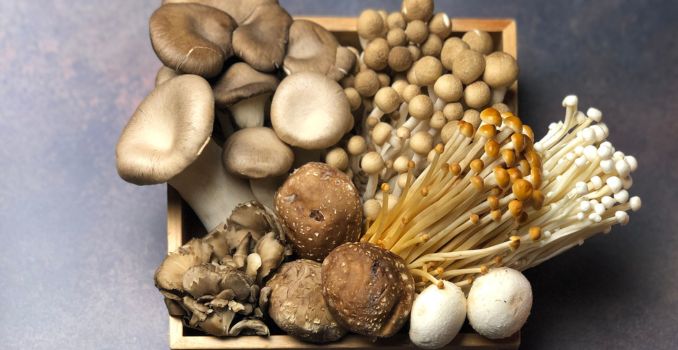
Instead of masking fatigue with stimulants, some natural compounds take a different approach.
Adaptogens are herbs and fungi [6] that may help the body better cope with stress and maintain balance across key systems involved in energy, resilience, and recovery.
They’ve been used for centuries in traditional medicine, and modern research is beginning to explore their effects.
Some studies suggest certain adaptogens, like ashwagandha [1] and rhodiola, may help reduce perceived stress and fatigue. Rather than creating a quick spike in energy, they tend to work more gradually.
The goal isn’t to force energy.
It’s to help the body rebuild it.
Meet the Mushrooms in Resilience and What the Research Shows
Resilience was formulated specifically with women over 50 in mind. Each of the 10 mushrooms in the complex was selected for its evidence-backed role in the systems most affected by midlife hormonal shifts: stress regulation, cellular energy, immune support, and cognitive function.
1- Lion’s Mane — Support for Brain Fog and Mental Clarity

If you’ve noticed your thinking feels a little slower or less sharp than it used to, Lion’s Mane is the mushroom most often associated with cognitive support.
Lion’s Mane (Hericium erinaceus) [5] contains unique compounds called hericenones and erinacines, which researchers have found can stimulate the production of Nerve Growth Factor (NGF). This protein helps maintain and repair neurons. NGF plays an important role in brain health, learning, and memory.
Interest in Lion’s Mane grew after a small randomized controlled trial published in Phytotherapy Research [3] in 2009. In the study, adults aged 50–80 with mild cognitive impairment took Lion’s Mane for 16 weeks and showed measurable improvements in cognitive test scores compared with those taking a placebo. When the participants stopped taking it, the benefits gradually declined.
While research is still developing, Lion’s Mane has become one of the more studied medicinal mushrooms for cognitive health.
For women navigating midlife changes when mental clarity can sometimes feel harder to maintain, it’s a natural compound researchers are increasingly interested in.
2- Cordyceps — Support for Energy and Stamina

Cordyceps is one of the medicinal mushrooms most often associated with energy and physical endurance.
Compounds found in Cordyceps, particularly adenosine and cordycepin, are thought to influence pathways involved in cellular energy metabolism. Because of this, researchers have studied the mushroom for its potential role in supporting ATP production, the molecule that cells use as fuel.
Cordyceps has also drawn attention for its possible effects on oxygen utilization. Several studies have explored whether it can improve aerobic capacity and stamina, particularly in older adults.
In one study published in the Journal of Alternative and Complementary Medicine, adults aged 50–75 who supplemented with a Cordyceps-based formula showed improvements in exercise performance and oxygen uptake over a 12-week period.
While research is still evolving, Cordyceps remains one of the most widely studied medicinal mushrooms for fatigue and physical endurance.
For someone who feels more easily drained by activities that once felt effortless, it may offer supportive help in rebuilding stamina.
3. Reishi — For Stress Resilience and Restful Sleep
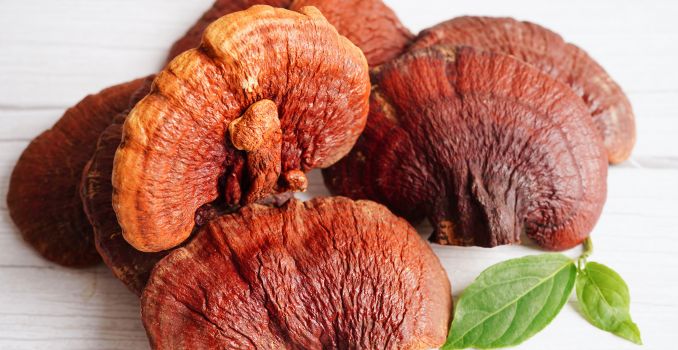
Often called the “mushroom of immortality,” Reishi [7] has been used in traditional Chinese medicine for centuries to calm the mind and support recovery from stress. Modern research is beginning to catch up: its bioactive compounds, including triterpenes, appear to have calming, adaptogenic effects that may help regulate the body’s stress response.
Preclinical studies show that Reishi can promote longer sleep duration and reduce the time it takes to fall asleep, possibly through pathways involving GABA, serotonin, and the gut-brain axis. Early human research and trials using mushroom blends also suggest improvements in sleep quality, fatigue, and stress markers like cortisol—but more high-quality studies on Reishi alone are still needed.
In short: Reishi isn’t a knockout sleep aid, but it may gently help your body shift out of “wired and tired” mode and into deeper, more restorative rest.
4. Shiitake — For Immune Strength and Everyday Energy
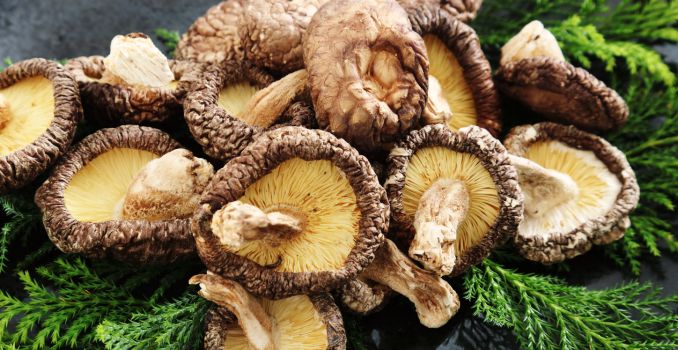
Chronic, low-grade inflammation is now recognized as a quiet drain on energy, especially during midlife. Shiitake mushrooms offer more than just flavor: they contain lentinan, a powerful beta-glucan known for its immune-supporting effects.
In a clinical trial published in the Journal of the American College of Nutrition, adults who ate shiitake mushrooms daily for four weeks showed improved immune cell activity and reductions in certain inflammatory markers.
While shiitake isn’t a quick fix for fatigue, supporting a more balanced immune response may help free up energy your body would otherwise spend fighting low-level inflammation.
5. Maitake — For Blood Sugar Balance and Steadier Energy

If your energy feels like a rollercoaster, your blood sugar might be along for the ride.
As we age, shifting hormones can make glucose levels harder to manage, leading to those mid-afternoon crashes and constant cravings. Maitake mushrooms contain D-fraction, a natural compound being studied for its role in supporting insulin function and blood sugar balance.
It’s not about chasing energy; it’s about smoothing out the highs and lows so your energy can finally feel steady again.
6. Chaga — For Antioxidant Defense and Cellular Support

Think of Chaga as protection at the cellular level.
It’s packed with antioxidants shown in lab studies to be exceptionally potent, which help defend your cells from everyday oxidative stress. That matters because when your cells (and especially your mitochondria) take a hit, your energy often goes with them.
Chaga also contains unique compounds like betulinic acid and inotodiol, studied for their calming and protective effects in the body.
It’s not about a quick energy boost, it’s about helping your cells stay strong so your energy can last.
7. Sun Mushroom (Agaricus blazei) — For Immune Support and Everyday Resilience
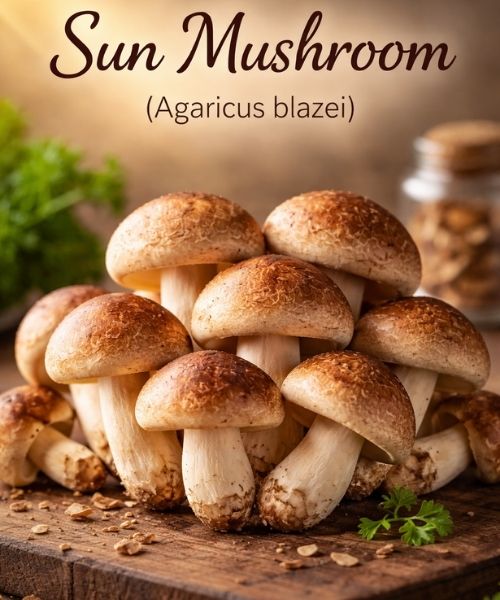
Midlife isn’t just about hormones; it’s where stress, sleep, and immunity all start to overlap.
The Sun Mushroom (Agaricus blazei) has long been used to support immune health, thanks to its rich beta-glucan content. But what’s especially interesting is how it may support how you feel, too.
Emerging research suggests it may offer benefits beyond immunity. In a study published in the Journal of Medicinal Food, postmenopausal women who took Agaricus blazei extract reported improvements in overall quality of life, including reduced feelings of anxiety, fatigue, and sleep disturbance.
While more research is still needed, these findings point to a broader role in supporting resilience both physically and emotionally during a life stage when stress and energy shifts often intersect.
8. White Button Mushroom — For Hormone Pathway Support
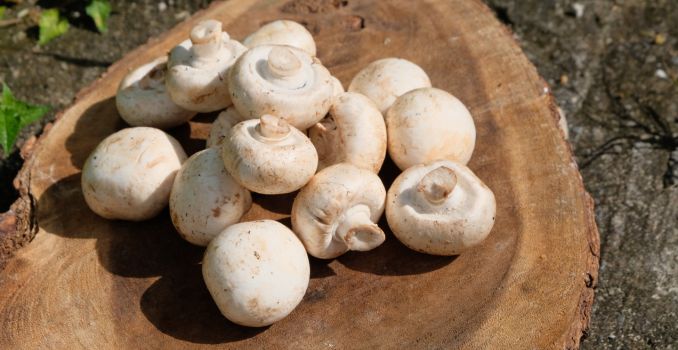
It’s easy to overlook white button mushrooms,[4] but they’re doing more than you’d expect.
Research from the Beckman Research Institute found that extracts from these mushrooms can reduce aromatase activity in cell models, suggesting they may play a role in how estrogen is regulated in the body.
Why does that matter? Because during perimenopause and beyond, hormone levels can become less predictable, and even small shifts can change how you feel, from energy to mood.
It’s not a quick fix for hormones, but it may offer gentle, behind-the-scenes support while your body finds its balance.
9. Wood Ear Fungus — For Circulation and Heart Support

Energy isn’t just about sleep, it’s also about flow.
Good circulation plays a quiet but essential role in how energized you feel. Your cells rely on a steady flow of oxygen and nutrients to keep things running smoothly.
Wood ear fungus contains natural polysaccharides that have shown anticoagulant and blood flow–supporting effects in early research, including reduced platelet aggregation and improved vascular function.
While most of the evidence is still emerging, these properties point to a potential role in cardiovascular support, especially relevant after menopause, when heart health becomes more of a focus.
It’s not a direct energy booster, but by supporting healthy circulation, it may help your body deliver what your cells need to function at their best.
10. Turkey Tail — Where gut health meets immune strength

If your energy feels off, your gut might be part of the story.
Your gut does more than digest food; it plays a central role in your immune system and overall energy.
Turkey Tail is one of the most extensively studied medicinal mushrooms, known for its immune-supporting compounds PSK and PSP. These polysaccharides have been used in clinical settings, particularly in Japan and China, to help modulate immune function.
Emerging research also suggests these compounds may act as prebiotics, helping support a healthier balance of gut bacteria. Since much of the immune system is closely tied to the gut, this connection may have wider effects on how your body handles stress, inflammation, and recovery.
It’s not a quick fix, but it helps support the systems that keep your energy and resilience steady over time.
What Sustainable Energy Actually Feels Like
Real energy doesn’t come from pushing your body harder; it comes from supporting the systems that create energy in the first place.
When stress response, sleep, metabolism, and immune balance are working together, energy feels different from the caffeine cycle. It’s not a spike or a rush. It’s steady.
People who support these systems often notice:
- More consistent energy through the afternoon, without the usual crash
- Clearer thinking—less fog, less effort to focus
- A greater sense of resilience when stress shows up
- Sleep that actually feels restorative
- Less dependence on caffeine—and fewer jitters when they do have it
It’s not about instant stimulation. It’s about helping your body work the way it’s designed to—so energy becomes something you can rely on, not chase.
3 Energy Myths Worth Letting Go Of
Myth #1: “If I’m tired, I just need more caffeine.”
Truth: Coffee doesn’t solve fatigue. It hides it.
Caffeine blocks the signal that tells your brain you’re tired, but the reason you’re tired (hormones, stress, poor sleep, low cellular energy) is still there.
For many women in midlife, fatigue is tied to shifting hormones, stress load, sleep quality, and how efficiently your cells produce energy. More caffeine might help you push through the day, but it can also disrupt sleep, increase stress hormones, and keep the cycle going.
Myth #2: “Feeling this tired is just part of getting older.”
Truth: Aging can shift your energy, but it shouldn’t drain it completely.
While some fatigue can come with life transitions, ongoing, unrelenting tiredness is usually a sign that something deeper needs attention, like sleep quality, stress load, or underlying health factors.
The good news? The body is incredibly capable of recovery when you support it well. And while research on tools like adaptogens and medicinal mushrooms is still evolving, some studies suggest they may help support energy and stress resilience.
Myth #3: “Supplements are just placebo.”
Truth: Some are hype. Some are backed by science.
Medicinal mushrooms like Lion’s Mane, Reishi, Turkey Tail, and Cordyceps have been studied for decades, with a growing number of human trials showing measurable effects, especially in areas like cognition, immune support, and energy.
The science is still evolving, but this isn’t just folklore. It’s a category of functional nutrition with real, emerging evidence behind it.
Ready to Change Your Relationship With Energy?
The crashes. The fog. The constant need to “push through.”
That’s not a personal failure; it’s often a sign your system needs better support.
When you understand what’s behind your energy dips, everything changes.
Start with our free Brain Fog Quiz to connect the dots, then see if Resilience fits into your next step.
→ Shop Resilience Mushroom Complex
FAQs
1. Why am I always tired even if I sleep enough?
Midlife fatigue can be linked to hormone changes, chronic stress, and poor-quality sleep, not just lack of rest.
2. Why doesn’t caffeine help like it used to?
Caffeine can temporarily mask tiredness, but it does not fix the root cause and may worsen sleep and stress.
3. What causes low energy during perimenopause or menopause?
Shifts in estrogen and progesterone can affect stress response, sleep, and how efficiently your cells produce energy.
4. What are adaptogens and medicinal mushrooms?
They are natural compounds that may help the body manage stress, support recovery, and promote steadier energy over time.
5. Which mushrooms in Resilience support energy and focus?
Lion’s Mane is highlighted for mental clarity, Cordyceps for stamina, and Reishi for stress resilience and sleep support.

Show References
- Chandrasekhar, K., Kapoor, J., & Anishetty, S. (2012). A prospective, randomized, double-blind, placebo-controlled study of the safety and efficacy of a high-concentration full-spectrum extract of Ashwagandha root in reducing stress and anxiety in adults. Indian Journal of Psychological Medicine, 34(3), 255. – https://pubmed.ncbi.nlm.nih.gov/23439798/
- Higgins, J. P., Tuttle, T. D., & Higgins, C. L. (2010). Energy beverages: Content and safety. Mayo Clinic Proceedings, 85(11), 1033–1041.- https://pubmed.ncbi.nlm.nih.gov/21037046/
- Mori, K., et al. (2009). Improving effects of the mushroom Yamabushitake (Hericium erinaceus) on mild cognitive impairment. Phytotherapy Research, 23(3), 367–372. – https://pubmed.ncbi.nlm.nih.gov/18844328/
- Chen, S., et al. (2006). Anti-aromatase activity of phytochemicals in white button mushrooms. Cancer Research, 66(24), 12026–12034.- https://pubmed.ncbi.nlm.nih.gov/17178902/
- Diling, C., et al. (2017). Extracts from Hericium erinaceus relieve inflammatory bowel disease by regulating immunity and gut microbiota. Oncotarget, 8(49), 85838. – https://pubmed.ncbi.nlm.nih.gov/29156761/
- Panossian, A., & Wikman, G. (2010). Effects of adaptogens on the central nervous system. Pharmaceuticals, 3(1), 188–224. – https://www.ncbi.nlm.nih.gov/pmc/articles/PMC3991026/
- Wachtel-Galor, S., et al. (2011). Ganoderma lucidum (Lingzhi or Reishi): A medicinal mushroom. Herbal Medicine: Biomolecular and Clinical Aspects. – https://www.ncbi.nlm.nih.gov/books/NBK92757/